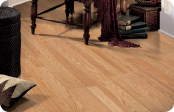
Laminated flooring. |
laminated
flooring AC Rating (Abrasion rating)
For those who look for durability as a way to decide on a laminate product, the AC rating is an ideal guide. Use it to check your expected usage, or foot traffic, against what the floor was built to withstand. AC stands for Abrasion Class and an impartial 3rd party has set the standard for 5 different categories of
use and durability.
AC1 Moderate Residential. Built to withstand only light residential use. Suitable for closets or bedrooms.
AC2 General Residential. Built for moderate foot traffic. Suitable in residential spaces that don't see a tremendous amount of wear and tear like dining rooms or living rooms.
AC3 Heavy Residential/Moderate Commercial. Built for all kinds of residential use including high–traffic rooms and even commercial spaces that have light traffic like offices without off-street traffic and hotel rooms.
AC4 General Commercial. Built to withstand every kind of residential use as well as more heavily trafficked commercial spaces that have off-street traffic like offices, cafes, and boutiques.
AC5 Heavy Commercial. Built for the busiest commercial uses and high–traffic spaces like department stores and government buildings.
As a general rule of thumb, the higher the AC Rating, the higher the price.
For those who look for durability as a way to decide on a laminate product, the AC rating is an ideal guide. Use it to check your expected usage, or foot traffic, against what the floor was built to withstand. AC stands for Abrasion Class and an impartial 3rd party has set the standard for 5 different categories of
use and durability.
AC1 Moderate Residential. Built to withstand only light residential use. Suitable for closets or bedrooms.
AC2 General Residential. Built for moderate foot traffic. Suitable in residential spaces that don't see a tremendous amount of wear and tear like dining rooms or living rooms.
AC3 Heavy Residential/Moderate Commercial. Built for all kinds of residential use including high–traffic rooms and even commercial spaces that have light traffic like offices without off-street traffic and hotel rooms.
AC4 General Commercial. Built to withstand every kind of residential use as well as more heavily trafficked commercial spaces that have off-street traffic like offices, cafes, and boutiques.
AC5 Heavy Commercial. Built for the busiest commercial uses and high–traffic spaces like department stores and government buildings.
As a general rule of thumb, the higher the AC Rating, the higher the price.

About
Laminate Flooring.
Do you like the look of wood but are concerned that your lifestyle might be too hard for hardwood? Then laminate, might be just the right choice for you. Laminate Flooring is the hottest flooring being sold today and laminate floors represent the most significant flooring entry in the past 25 years. Three important attributes - durability, design and installation ease continue to propel the popularity of laminate floors. If you want flooring for active lifestyles, flooring which is durable and easy to clean, then laminate floors may be exactly what you are searching for. The laminate floor panels simply click together and rest on top of a padding (floating installation).
There are wide variety of laminate flooring all capable of standing up to even the liveliest of lifestyles. For instance, in addition to being very scratch resistant, spills that would spell disaster for other flooring surfaces can be wiped up, easy-as-pie, from laminate.
Laminate can also be used to reproduce distressed, rare and extinct woods for a one of- a-kind look. Plus, this versatile material can go where other flooring shouldn't--like in basements where moisture could wreak havoc on hardwood.
Buying Tips for Laminate Flooring.
Laminate flooring is becoming a clear of choice for homeowners looking for rich patterns, durability and affordability. Over the years. Laminate floors are extremely durable and wear resistant. Easy quick and simple cleaning. Laminate is sold in planks, Tile patterns that are glued or snapped together and can be laid over most other existing floors (excluding carpet over pad). Laminate is one of the only floors that can be installed over ceramic tile. Each board is constructed with a core of high density fiber board which is very moisture resistant. As with most hard surface flooring, laminate floors can scratch so floor protectors are recommended. ( legs of sofas, chairs, table so on. ) A new laminate floor can dramatically improve the look of any room. But keep in mind, your new flooring isn't going into an empty room. The style of your home, the size of the room, your existing furniture and even wallpaper can impact what kind of laminate you end up selecting.
Room size. If your room is small, choosing a lighter color laminate will actually make the room appear to be larger. A larger pattern on the floor can also expand the room visually. If you're working with a very large room, using rich, darker tones will absorb available light--and create a warmer, more intimate environment for you.
Existing furniture & cabinets. Depending upon the look you're trying to achieve, there are two very differing schools of thought. If you want a very cohesive, comforting feel, select flooring that coordinates closely with your current furnishings and cabinetry. If you're looking for something a little more dramatic, choose flooring that contrasts instead. If your furniture or cabinets are mostly brown hues, we'd recommend staying with brown rather than flooring with red or gray tones. White or almond cabinets look great with virtually any floor. And painted cabinets can often pick up an accent color in your floor pattern.
Do you like the look of wood but are concerned that your lifestyle might be too hard for hardwood? Then laminate, might be just the right choice for you. Laminate Flooring is the hottest flooring being sold today and laminate floors represent the most significant flooring entry in the past 25 years. Three important attributes - durability, design and installation ease continue to propel the popularity of laminate floors. If you want flooring for active lifestyles, flooring which is durable and easy to clean, then laminate floors may be exactly what you are searching for. The laminate floor panels simply click together and rest on top of a padding (floating installation).
There are wide variety of laminate flooring all capable of standing up to even the liveliest of lifestyles. For instance, in addition to being very scratch resistant, spills that would spell disaster for other flooring surfaces can be wiped up, easy-as-pie, from laminate.
Laminate can also be used to reproduce distressed, rare and extinct woods for a one of- a-kind look. Plus, this versatile material can go where other flooring shouldn't--like in basements where moisture could wreak havoc on hardwood.
Buying Tips for Laminate Flooring.
Laminate flooring is becoming a clear of choice for homeowners looking for rich patterns, durability and affordability. Over the years. Laminate floors are extremely durable and wear resistant. Easy quick and simple cleaning. Laminate is sold in planks, Tile patterns that are glued or snapped together and can be laid over most other existing floors (excluding carpet over pad). Laminate is one of the only floors that can be installed over ceramic tile. Each board is constructed with a core of high density fiber board which is very moisture resistant. As with most hard surface flooring, laminate floors can scratch so floor protectors are recommended. ( legs of sofas, chairs, table so on. ) A new laminate floor can dramatically improve the look of any room. But keep in mind, your new flooring isn't going into an empty room. The style of your home, the size of the room, your existing furniture and even wallpaper can impact what kind of laminate you end up selecting.
Room size. If your room is small, choosing a lighter color laminate will actually make the room appear to be larger. A larger pattern on the floor can also expand the room visually. If you're working with a very large room, using rich, darker tones will absorb available light--and create a warmer, more intimate environment for you.
Existing furniture & cabinets. Depending upon the look you're trying to achieve, there are two very differing schools of thought. If you want a very cohesive, comforting feel, select flooring that coordinates closely with your current furnishings and cabinetry. If you're looking for something a little more dramatic, choose flooring that contrasts instead. If your furniture or cabinets are mostly brown hues, we'd recommend staying with brown rather than flooring with red or gray tones. White or almond cabinets look great with virtually any floor. And painted cabinets can often pick up an accent color in your floor pattern.
sponsored
sites
Videos Laminate floor |
We are listed in Nevada
Flooring Contractors Directory at LocalWin.com
| Home | Contact us | ceramic | Laminated | Hardwood | Vinyl | Carpet | Specials | Resources |
Copyright © All rights reserved
|



Color. Darker
wood tones usually have a more formal or traditional look, while lighter
floors lend themselves to more casual or contemporary styles.
Light sources. How any floor will look in your home will be greatly influenced by the amount and kind of light you get. The size of your windows, what direction they face, and the kind of artificial light you have in your home will all play an important role in how your new floor will look. It is always best to view your flooring selection in the same lighting that will be used in your home.
Scale and pattern. Coordinating your new floor with your existing wallpaper isn't as hard as it might seem. If the wallpaper or fabric used in the room is large scale, select a small-scale design or board on the floor, and vice versa. If you plan to use several floor patterns in the room, our experience is that you'll get the best results by using one small, one medium and one large pattern. That way your design won't be too overwhelming or too busy.
Design. Again, your flooring isn't going into a vacuum; it's going into a room with its own style and flair. Consequently, the floor you select should complement rather than dominate the other design elements in the room. If the design of the room is simple, you might want to consider accenting it with a stronger-patterned floor. If you've already created more of a distinctive style, though, a wise choice would be to pick a floor that picks up on the existing colors and patterns in the room.
Light sources. How any floor will look in your home will be greatly influenced by the amount and kind of light you get. The size of your windows, what direction they face, and the kind of artificial light you have in your home will all play an important role in how your new floor will look. It is always best to view your flooring selection in the same lighting that will be used in your home.
Scale and pattern. Coordinating your new floor with your existing wallpaper isn't as hard as it might seem. If the wallpaper or fabric used in the room is large scale, select a small-scale design or board on the floor, and vice versa. If you plan to use several floor patterns in the room, our experience is that you'll get the best results by using one small, one medium and one large pattern. That way your design won't be too overwhelming or too busy.
Design. Again, your flooring isn't going into a vacuum; it's going into a room with its own style and flair. Consequently, the floor you select should complement rather than dominate the other design elements in the room. If the design of the room is simple, you might want to consider accenting it with a stronger-patterned floor. If you've already created more of a distinctive style, though, a wise choice would be to pick a floor that picks up on the existing colors and patterns in the room.
"In
this short video show how we undercut fireplaces when possible"